How to Integrate Pre-Shift Screening Data With Your Safety Management System
A research-style guide for EHS directors on the strategic and technical methods for integrating pre-shift physiological screening data with existing Safety Management Systems (SMS).
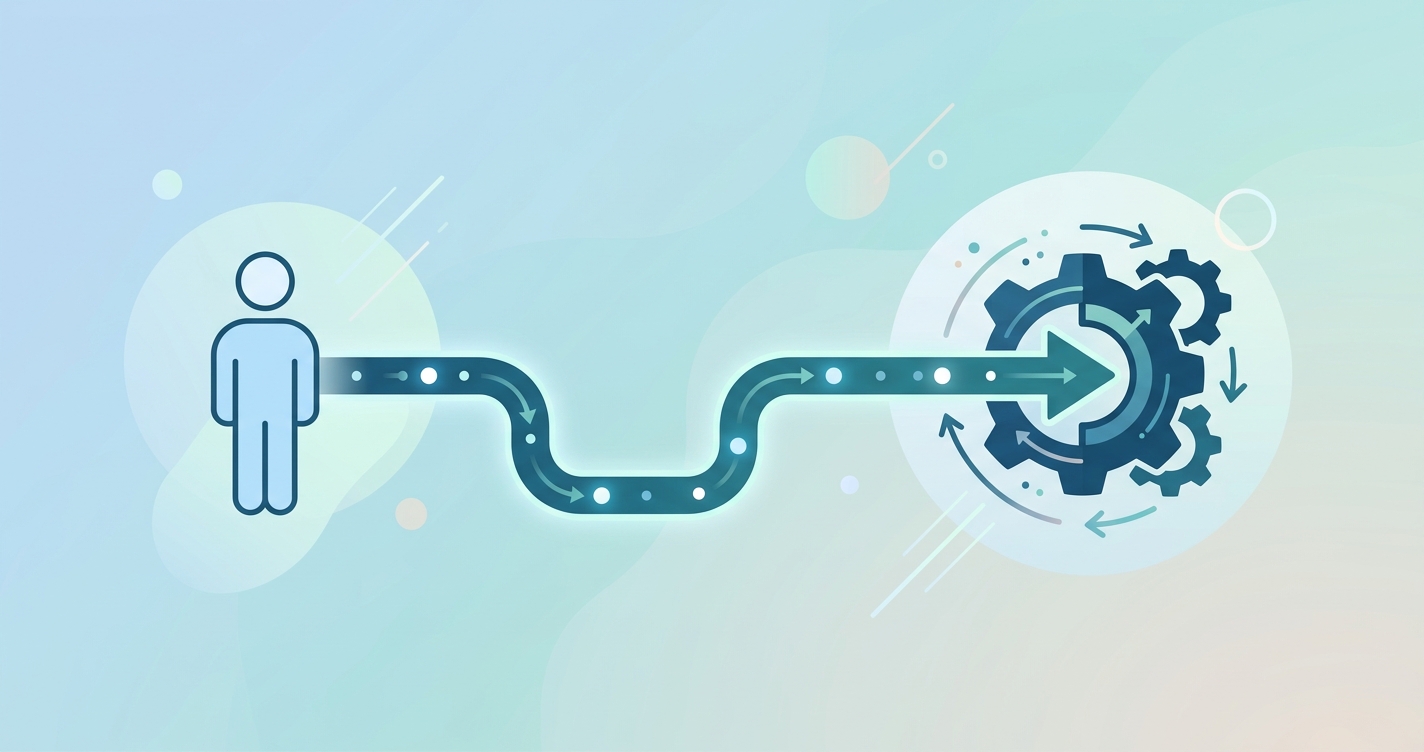
For decades, safety management systems (SMS) have been the backbone of industrial safety, providing a structured approach to managing risk. However, these systems have traditionally relied on lagging indicators, incident reports, injury logs, and near-miss analyses. While essential, this reactive approach means a safety failure has already occurred. The frontier of occupational health has shifted to leading indicators, particularly pre-shift screening data that offers a real-time glimpse into worker fitness for duty. The challenge for today's EHS leaders is not just collecting this data, but how to effectively integrate pre-shift screening data with a safety management system to create a unified, proactive safety strategy.
"Organizations that successfully integrate leading indicators into their SMS have seen a 50-70% reduction in recordable injuries." (Attributed to research by the Aberdeen Group, 2017)
The strategic case to integrate pre-shift screening with a safety management system
A standalone pre-shift screening program is a valuable tool, but its true power is unlocked when its data flows seamlessly into the broader SMS ecosystem. Disconnected data silos create administrative burdens and, more critically, obscure the holistic view of an organization's risk profile. When pre-shift data, such as vital signs, fatigue scores, and self-attestations, is isolated, it requires manual correlation and analysis, delaying insights and interventions.
To integrate pre-shift screening with a safety management system is to transform both systems. The SMS moves from a passive repository of incident data to a dynamic, predictive tool. The screening program evolves from a simple daily check to a critical data feed that enriches risk assessments, informs training programs, and demonstrates a commitment to proactive safety. This integration is a technical and strategic imperative, enabling EHS leaders to identify trends and mitigate risks before they escalate into safety events. According to research from the National Safety Council (NSC), fatigue, which can be identified in pre-shift screenings, is a factor in 13% of workplace injuries. Integrating data allows for a systemic approach to managing such hazards. The process often involves using Application Programming Interfaces (APIs) that allow disparate software systems to communicate, a concept that draws on established data exchange standards like ISO 45001 for occupational health and safety management.
| Integration Method | Description | Pros | Cons |
|---|---|---|---|
| Manual Export/Import | Periodically exporting data (e.g., as CSV files) from the screening tool and manually importing it into the SMS. | No technical integration required; simple to start. | Prone to human error; not real-time; high administrative overhead; data becomes stale quickly. |
| Direct API Integration | Using APIs from both the screening vendor and the SMS provider to build a custom, direct connection for data transfer. | Real-time data flow; automated workflow; highly customizable; secure. | Requires significant IT resources and developer expertise; high initial cost; dependent on vendor API stability. |
| Third-Party Middleware | Using a specialized integration platform (iPaaS) that has pre-built connectors for various enterprise software systems. | Faster implementation than direct API; less custom code; managed by a third party. | Can be costly (subscription-based); adds another vendor to manage; may have limitations on data customization. |
| Embedded System | The pre-shift screening function is a native module within a comprehensive EHS software suite. | Seamless data flow by design; unified user interface; single vendor relationship. | Limited choice of screening technology; potential for vendor lock-in; may lack best-in-breed features. |
Industry Applications
The need to integrate pre-shift screening data with a safety management system is most pressing in safety-critical sectors where human performance is critical.
Mining and extraction
In mining, fatigue is a well-documented risk. Integrating fatigue scores and physiological data from pre-shift checks into the site's SMS can help supervisors make informed decisions about task allocation, such as assigning a potentially fatigued worker to a lower-risk activity. This data can also validate the effectiveness of fatigue management controls, as recommended by frameworks from the International Council on Mining and Metals (ICMM).
Transportation and logistics
For commercial fleets, federal regulations mandate strict fitness-for-duty standards. An integrated system can automatically flag a driver whose pre-shift screening data indicates elevated risk (e.g., high blood pressure, self-reported illness). This can trigger an immediate secondary review process within the SMS, ensuring compliance and preventing a potentially impaired driver from starting a shift.
Manufacturing and assembly
In complex manufacturing environments, even minor lapses in concentration can lead to significant quality control issues or safety incidents. Data from pre-shift screenings, when fed into the SMS, can be correlated with near-miss data and production quality metrics. This allows EHS managers to identify if specific shifts, times, or environmental conditions (like high heat) are correlated with signs of physiological strain in the workforce.
Current research and evidence
The drive for integration is supported by a growing body of research. Studies have consistently shown a strong correlation between physiological indicators and the risk of a workplace incident. Research by the National Institute for Occupational Safety and Health (NIOSH) has validated the connection between worker fatigue, disrupted sleep patterns, and increased safety risks. A 2020 study published in the Journal of Occupational and Environmental Medicine by researcher Dr. Matthew Hallowell and his team at the University of Colorado Boulder demonstrated that leading indicators derived from real-time data collection were predictive of future safety performance. Integrating these data points into a formal SMS provides the framework to act on these findings systematically.
- Enables proactive risk mitigation by identifying at-risk individuals or crews before a shift begins.
- Provides objective data to support safety interventions and work-rest scheduling decisions.
- Creates a comprehensive, auditable record of an organization's fitness-for-duty program.
- Improves allocation of EHS resources by pinpointing specific areas of physiological risk.
The future of integrated safety systems
The future of this integration lies in predictive analytics and greater standardization. As data sets grow, machine learning algorithms will be able to identify complex patterns and predict risk with increasing accuracy. Imagine an SMS that Flags a fatigued worker. Cross-references their schedule, recent health data, and environmental conditions to predict their risk score for the upcoming week. This level of foresight requires deep integration.
Furthermore, the industry is moving towards greater interoperability, similar to how the healthcare sector adopted standards like HL7 and FHIR for electronic health records. The development of standardized APIs for safety technologies will make it easier and more cost-effective to integrate pre-shift screening data with a safety management system, regardless of the specific vendors involved. This will lower the barrier to entry for many organizations and accelerate the adoption of truly proactive safety strategies.
Frequently asked questions
What is a Safety Management System (SMS)? An SMS is a formal, top-down, organization-wide approach to managing safety risk and assuring the effectiveness of safety risk controls. It includes systematic procedures, practices, and policies for the management of safety. Major standards bodies like the International Organization for Standardization (ISO 45001) and ANSI (ANSI Z10) provide frameworks for implementing an effective SMS.
What are the first steps to integrate pre-shift screening data? The first step is a data audit. Identify what data you are collecting, its format, and where it is stored. Next, consult with your SMS provider and your screening technology vendor to understand their API capabilities. Start with a clear objective, such as automating the transfer of fatigue scores, and consider a pilot project with a specific team or location.
How does data integration affect compliance with privacy regulations like HIPAA or GDPR? Data integration must be designed with privacy in mind from the start. This involves ensuring data is encrypted in transit and at rest, anonymizing or de-identifying data where possible, and implementing strict access controls within the SMS. Any integration project should involve legal and IT teams to ensure compliance with all relevant data privacy laws. The focus should be on using aggregated, anonymized data for trend analysis, with individual-level data restricted to authorized occupational health personnel.
Integrating pre-shift screening data is a foundational step in building a proactive, resilient safety culture. As pioneers in this space, Circadify is developing next-generation tools to bridge the gap between physiological data and operational risk management. To learn more about how our advanced solutions can support your safety program, explore our work in Safety program inquiry.