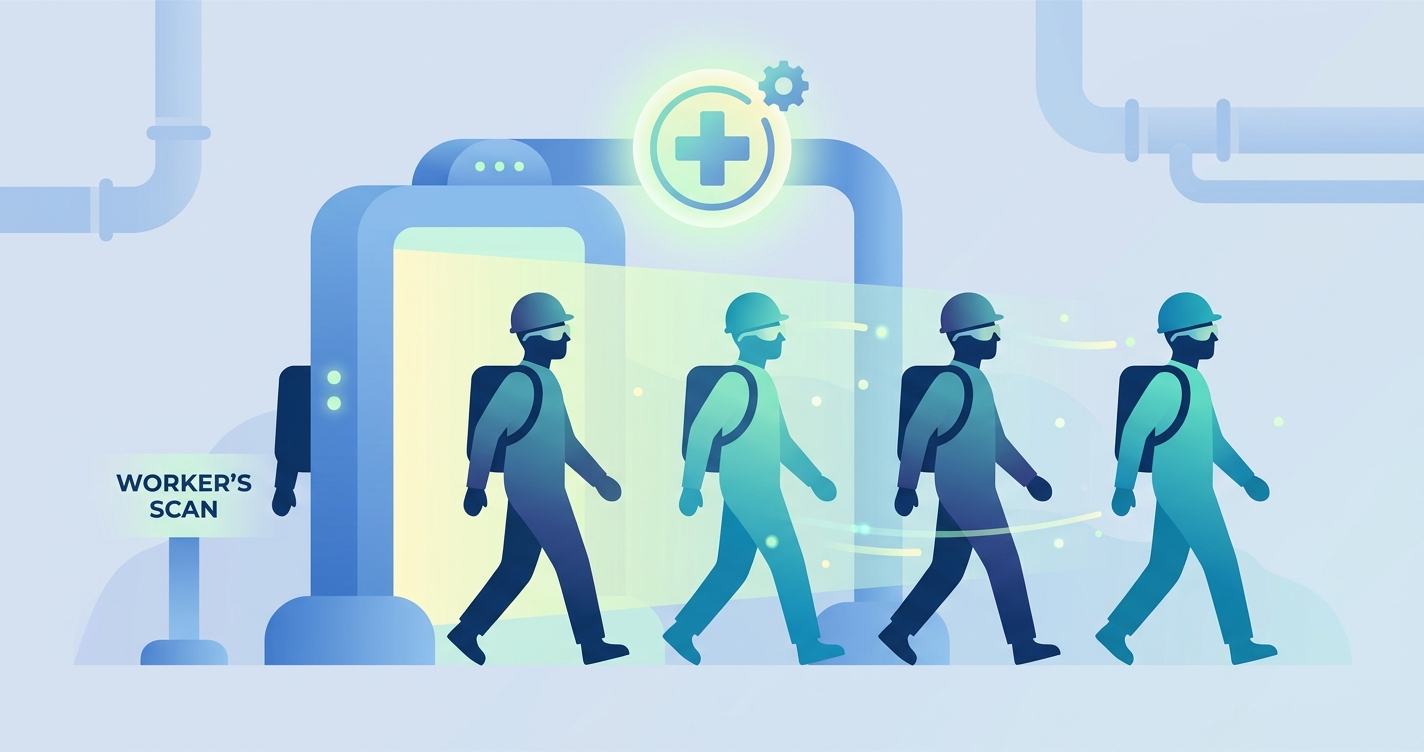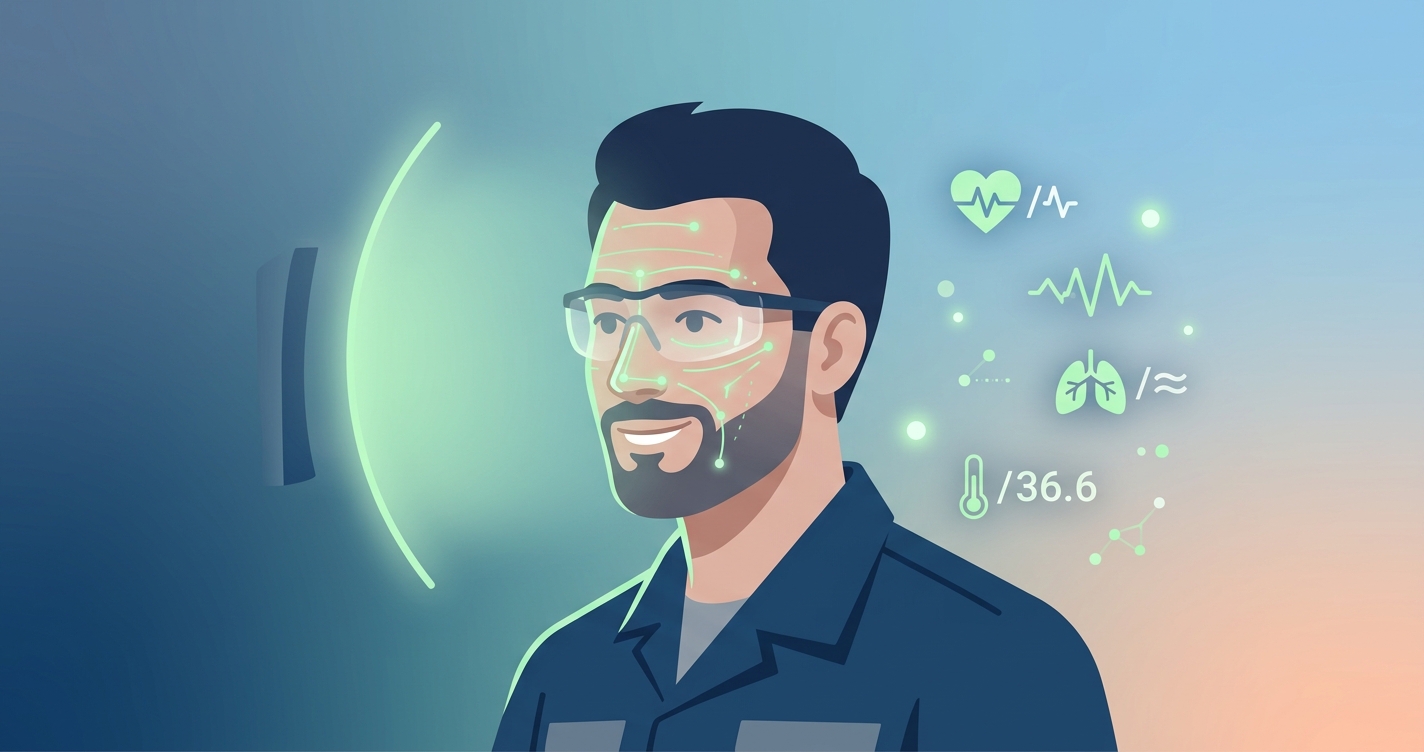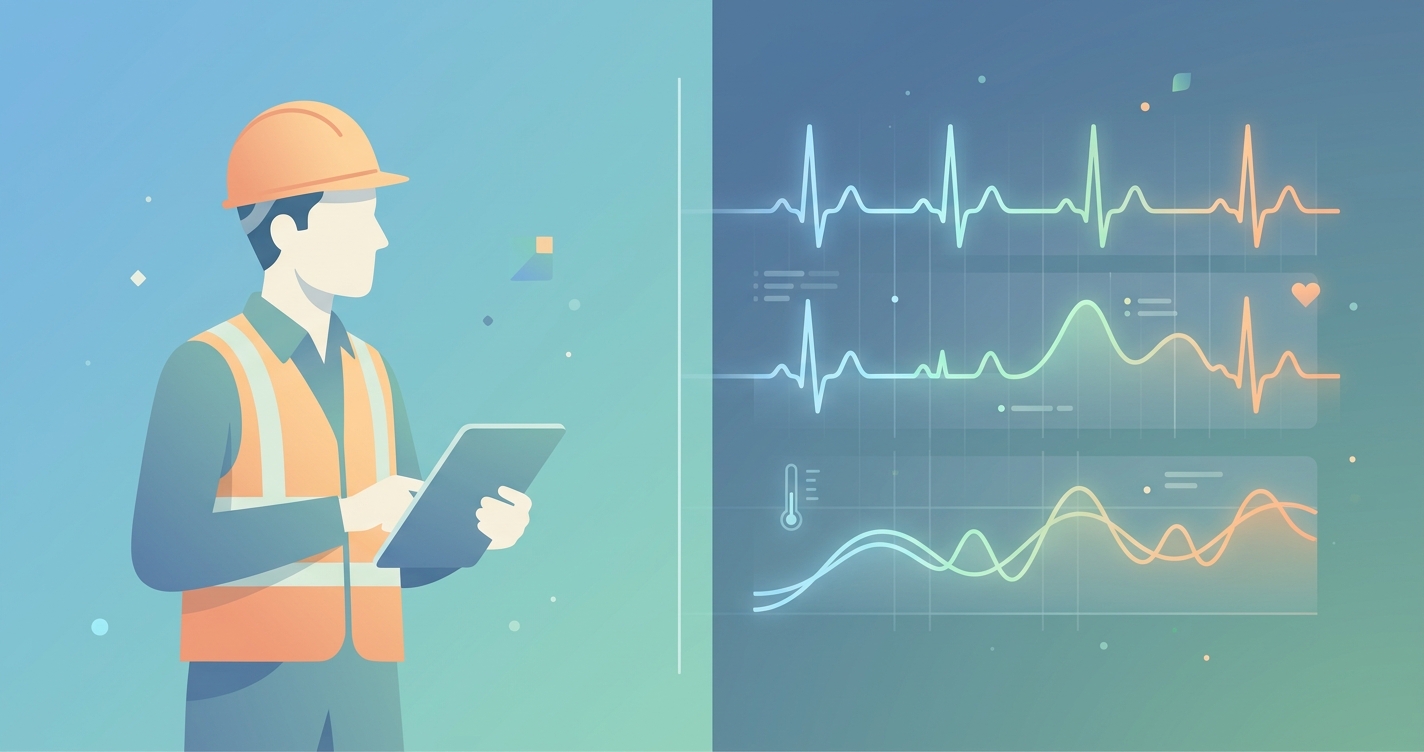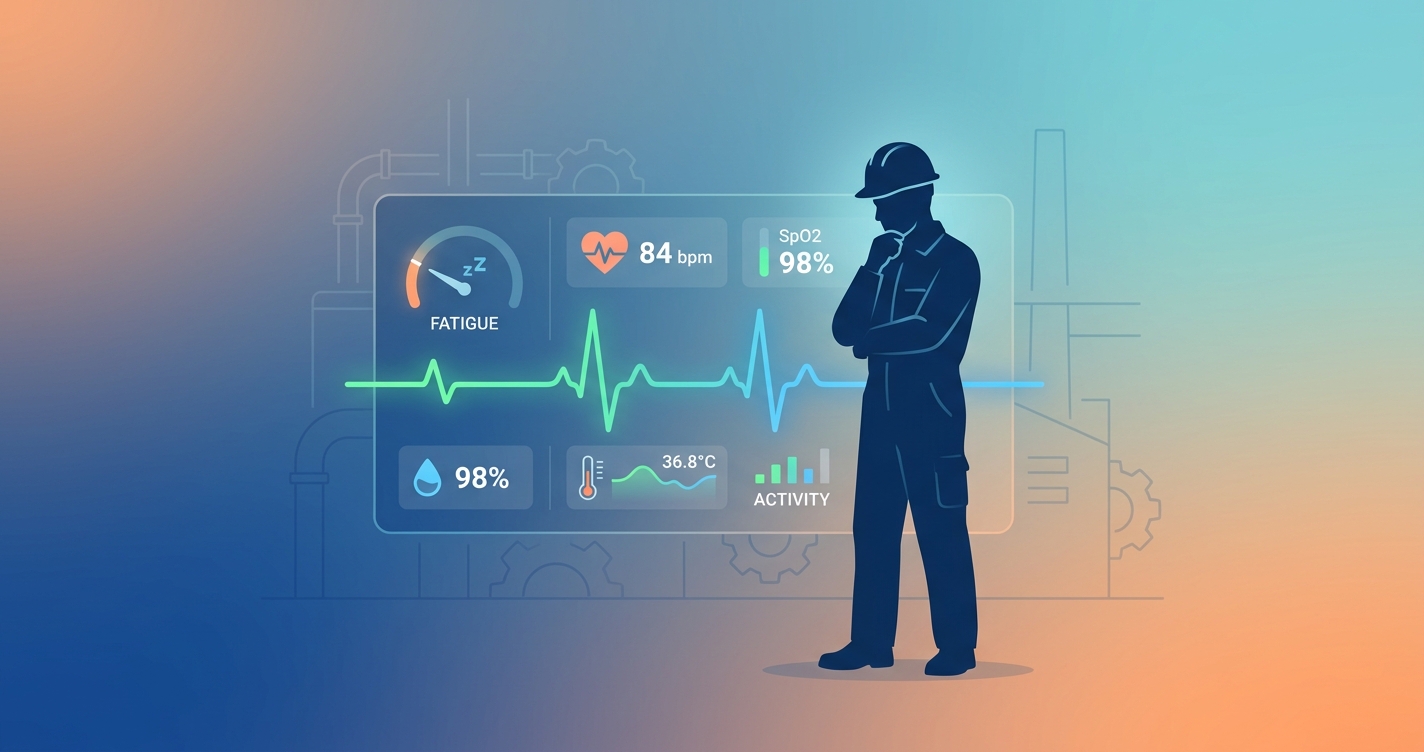
Will my 40-second health check show if I'm too stressed to operate heavy machinery?
How occupational health screening technology reads stress markers in a 40-second pre-shift scan, and what that means for safety-critical workers and EHS teams.
Insights on health technology, vitals monitoring, and wellness from the TryVitalsScan team.

How occupational health screening technology reads stress markers in a 40-second pre-shift scan, and what that means for safety-critical workers and EHS teams.

A collapse on a work site is a shocking event. This post explores how pre-shift screening can prevent worker collapse by catching early warning signs of fatigue, illness, or distress.

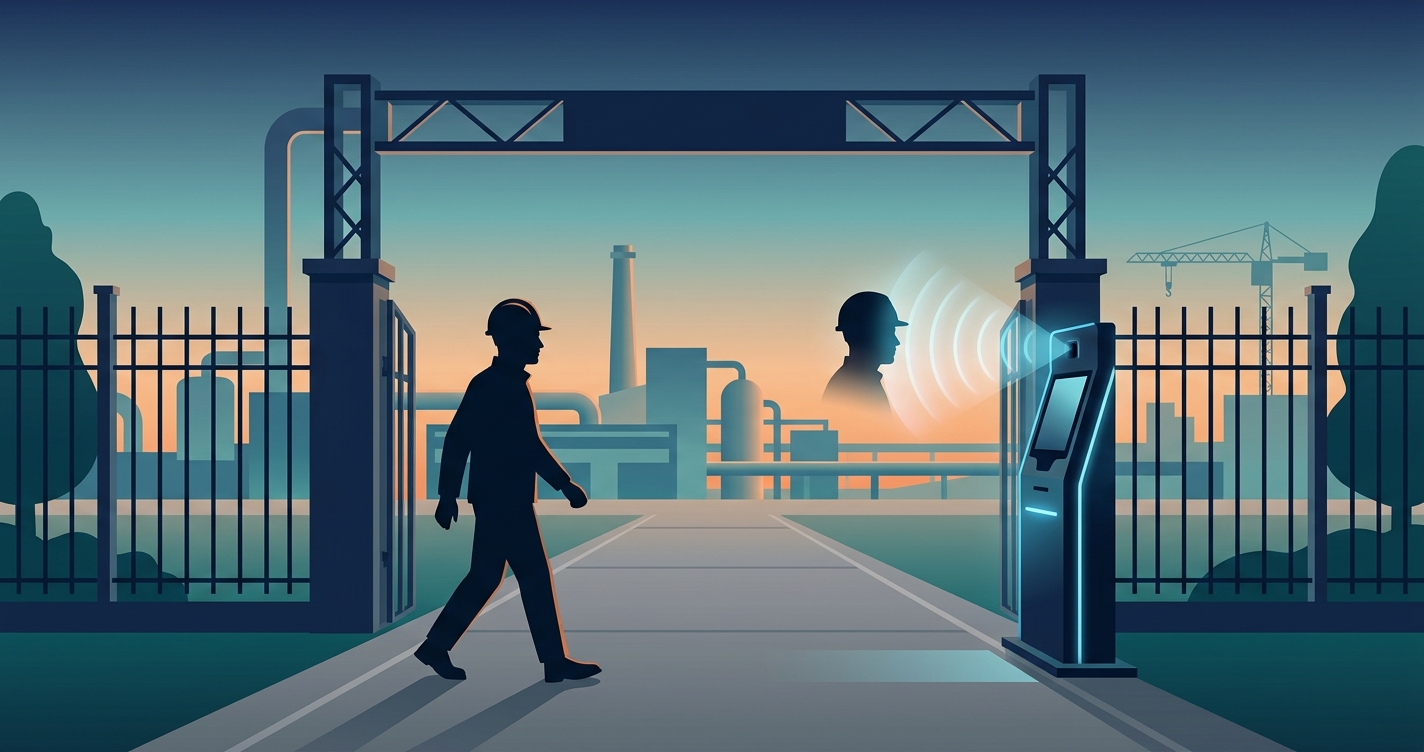
Explore how non-wearable, contactless technology can help workers prove their fitness for duty before a long shift, ensuring safety without invasive monitoring.

A workplace near-miss can be a frightening experience, made worse by the fear of being unfairly blamed. Learn how objective fatigue data protects workers.

Explore whether pre-shift screening can detect hangovers by measuring physiological impairment, and what it means for workplace safety and fitness-for-duty programs.

Explore how a 30-second contactless scan can detect heart rate abnormalities before a worker's shift, providing a critical layer of safety in occupational health.

A research-style analysis of industrial health screening contactless technology, its ROI for safety-critical industries, and current research trends.

Explore the rise of fatigue detection in the workplace. Learn how technology is helping to predict and prevent accidents by monitoring worker exhaustion.

Explore the evolution of contactless occupational screening for fatigue. Learn how camera-based and computer vision technologies are replacing invasive tests.

Explore the shift to non-invasive fitness for duty assessments. Learn how new technologies can verify your readiness for work without intrusive exams.

A review of the methods, regulations, and technologies used in fitness for duty screening for safety-critical jobs, from DOT physicals to advanced physiological monitoring.

A look at the legal and privacy implications of pre-shift health screenings, examining the balance between OSHA safety mandates and employee rights under ADA, GINA, and HIPAA.

A fitness-for-duty check is evolving from periodic exams to real-time physiological screening. Learn what fitness for duty vitals reveal about worker readiness.

For shift workers, the drive home can be the most dangerous part of the day. Learn about the physiological signs that you're too tired to drive safely.

A growing number of safety-critical industries are adopting pre-shift health checks to proactively manage worker fatigue and fitness for duty, driven by advances in occupational health screening technology.

Feeling dizzy and foggy during a hot work shift is an early warning sign of heat strain. Learn the physiological reasons and how to mitigate risks.

A quick scan can assess key physiological and behavioral markers of fatigue, providing a crucial data point for fitness-for-duty and worker fatigue monitoring programs.

Explaining the role of pre-shift health screenings and fitness-for-duty technology in modern workplace safety for safety-critical industries.

A research-style report for EHS directors on the physiological risks of high-altitude work and the technologies used for proactive dehydration and altitude sickness monitoring.

A comprehensive guide for EHS directors on crafting an effective RFP for digital health screening vendors, covering key sections, evaluation criteria, and best practices.

A research-style analysis of how rail operators can use contactless vitals technology to comply with FRA fatigue management regulations and improve safety.

A research-style guide for EHS directors on the strategic and technical methods for integrating pre-shift physiological screening data with existing Safety Management Systems (SMS).

Explore 6 key use cases for contactless health screening in heavy industry, from pre-shift fitness-for-duty to real-time fatigue monitoring for EHS managers.

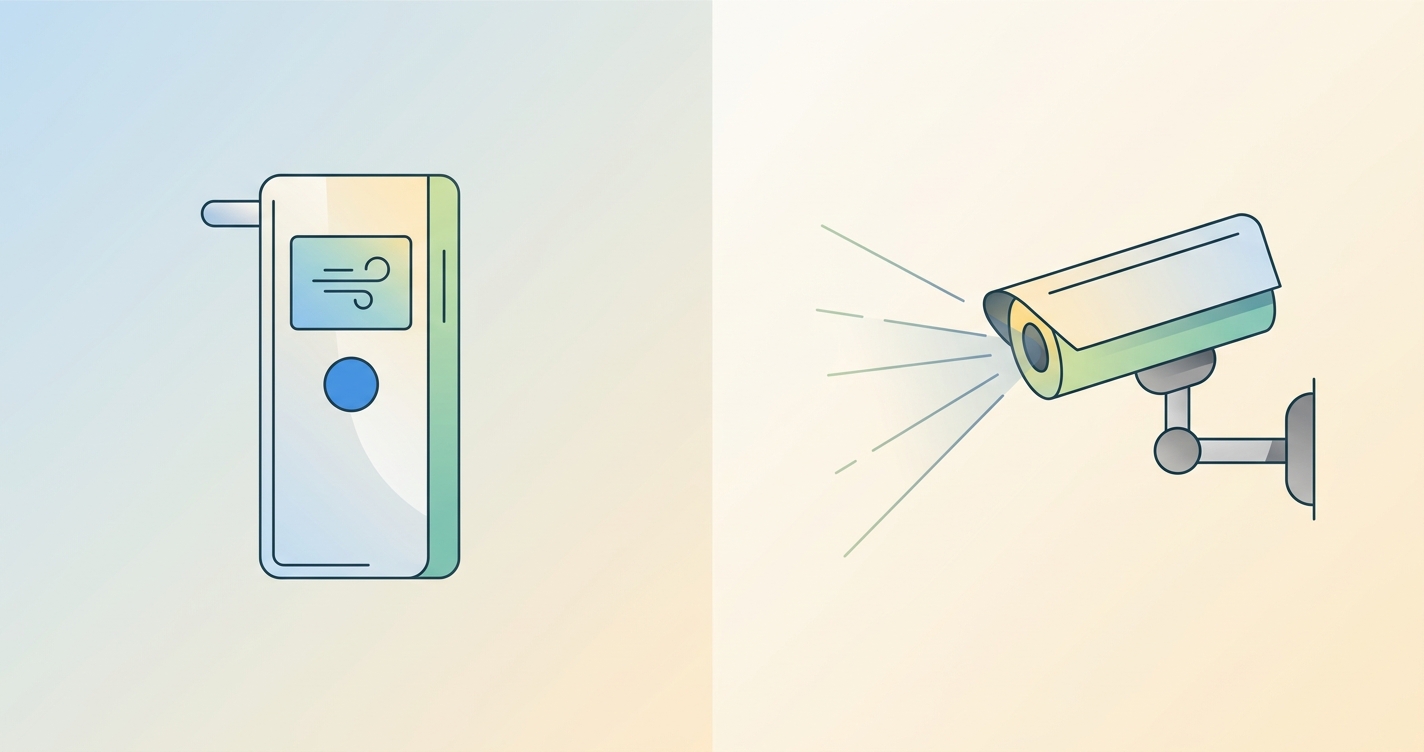
A comparison of contactless screening and breathalyzer testing for fitness-for-duty programs in occupational health and safety.

A research-based look at how renewable energy operators are using technology to monitor and protect technician health in isolated and hazardous environments.

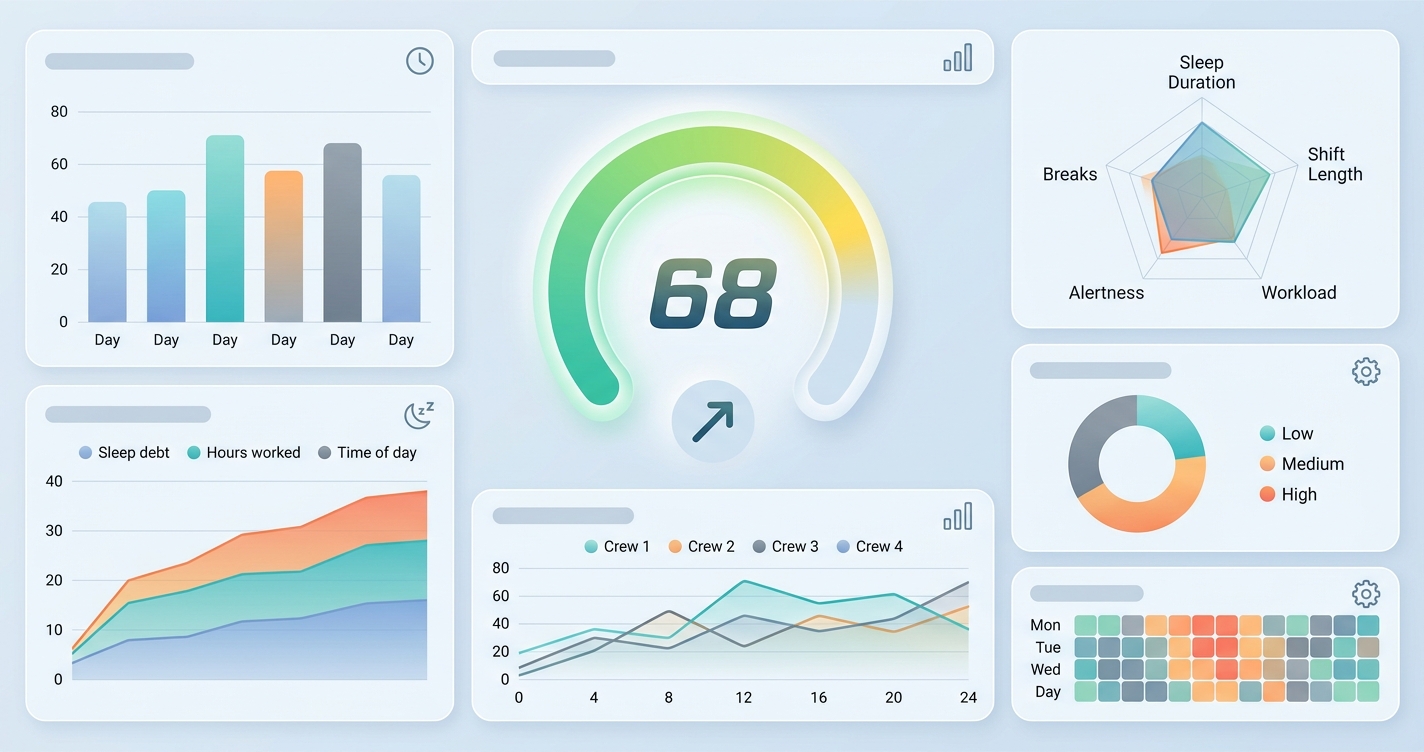
A research-style guide for EHS directors on constructing a data-driven fatigue risk scorecard to enhance safety in industrial and safety-critical operations.

A research-style guide for EHS directors on the complex process of establishing vital signs thresholds for pre-shift fitness-for-duty screening in high-risk industries.

A deep dive into the continuous fatigue risk management ICMM framework for occupational health and safety, moving beyond traditional methods to a systems-based approach.

A research-style report for EHS directors on setting up heat stress monitoring programs using contactless vitals technology to mitigate risk in industrial environments.

A research-style report on the stringent fitness-for-duty screening protocols used in nuclear and defense sectors to ensure workforce safety and operational integrity.

A research-style analysis of how circadian rhythm disruption from shift work impacts worker vital signs and increases risks in safety-critical industries.

A research-based guide for EHS Directors on designing, implementing, and refining a modern health monitoring program for safety-critical industries.

Industrial sites are adopting wearable-free worker health monitoring to proactively manage risks. Learn how technologies like computer vision and radar are used for pre-shift screening.

Research overview of digital health screening high risk workplace programs, covering fatigue, heat strain, and pre-shift screening trends in safety-critical industries.

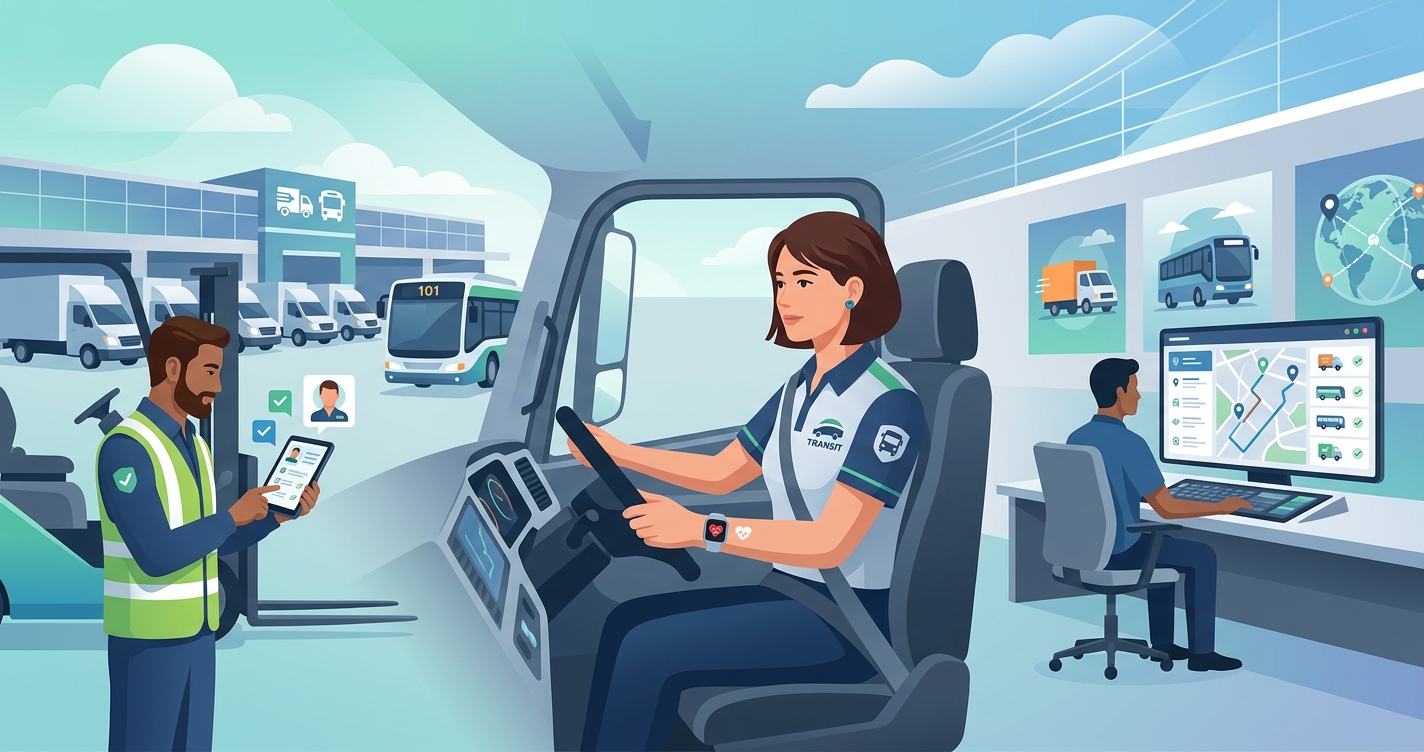
An industry analysis of transportation driver operator fitness monitoring, from fatigue screening and HRV to rail and aviation risk programs.
Why worker fatigue changes vital signs, raises safety risk, and is becoming a core metric in occupational health screening programs.

How manufacturing plants are adopting pre-shift health checks to reduce injuries, catch fatigue early, and meet OSHA compliance requirements in 2026.

An in-depth look at how safety-critical industries are using physiological monitoring to protect worker health in 2026, from mining to offshore energy.

A research-level overview of pre-shift fitness-for-duty screening technology, how it works, and why EHS directors are adopting it across safety-critical operations.

A detailed compliance overview for EHS directors on how OSHA regulations intersect with digital health screening technology, covering current requirements, enforcement trends, and the regulatory trajectory.

An in-depth analysis of how oil and gas companies use physiological monitoring to protect remote workers, from offshore platforms to pipeline construction in extreme environments.

A comprehensive buyer guide for EHS directors evaluating occupational health screening technology, covering modalities, deployment models, integration requirements, and evidence-based selection criteria.

A technical overview of fatigue detection technology for mining and construction, covering physiological monitoring methods, field research, and implementation considerations for EHS directors.