How can I prove I'm alert enough for a 12-hour shift without a wearable?
Explore how non-wearable, contactless technology can help workers prove their fitness for duty before a long shift, ensuring safety without invasive monitoring.
For workers in safety-critical roles, the need to be alert and focused is critical, especially during grueling 12-hour shifts. The traditional approach to managing this risk has often involved methods that are either invasive, subjective, or both. However, the conversation around fitness for duty is changing. A growing body of research and technological innovation points to a future where workers can prove their alertness for a long shift without a wearable device, ensuring both safety and personal privacy.
"In our 2023 analysis of over 5,000 incident reports, we found that fatigue was a contributing factor in 22% of all safety events, a figure that has been stubbornly resistant to traditional interventions." - National Safety Council, 2023 Annual Workplace Safety Report.
The challenge of proving alertness
The core of the problem lies in the difficulty of objectively measuring a subjective state like alertness. For decades, industries have relied on a combination of self-reporting, supervisory observation, and hours-of-service regulations. While these methods have value, they are incomplete. Self-reporting is unreliable, as workers may not recognize their own fatigue or may feel pressured to work regardless. Supervisory observation is prone to human error and inconsistency. This leaves a significant gap in safety protocols, one that new technologies are beginning to fill.
The advent of wearable technology offered a data-driven alternative, but it came with its own set of challenges. Many workers are resistant to wearing company-mandated devices, citing concerns about privacy, comfort, and the "big brother" effect of constant monitoring. This has created a strong demand for a new solution: one that can provide objective data on alertness without the need for a physical device on the person. To prove alertness for a long shift without a wearable, the focus must shift to methods that are fast, non-invasive, and respect the worker's personal space.
The rise of contactless alertness verification
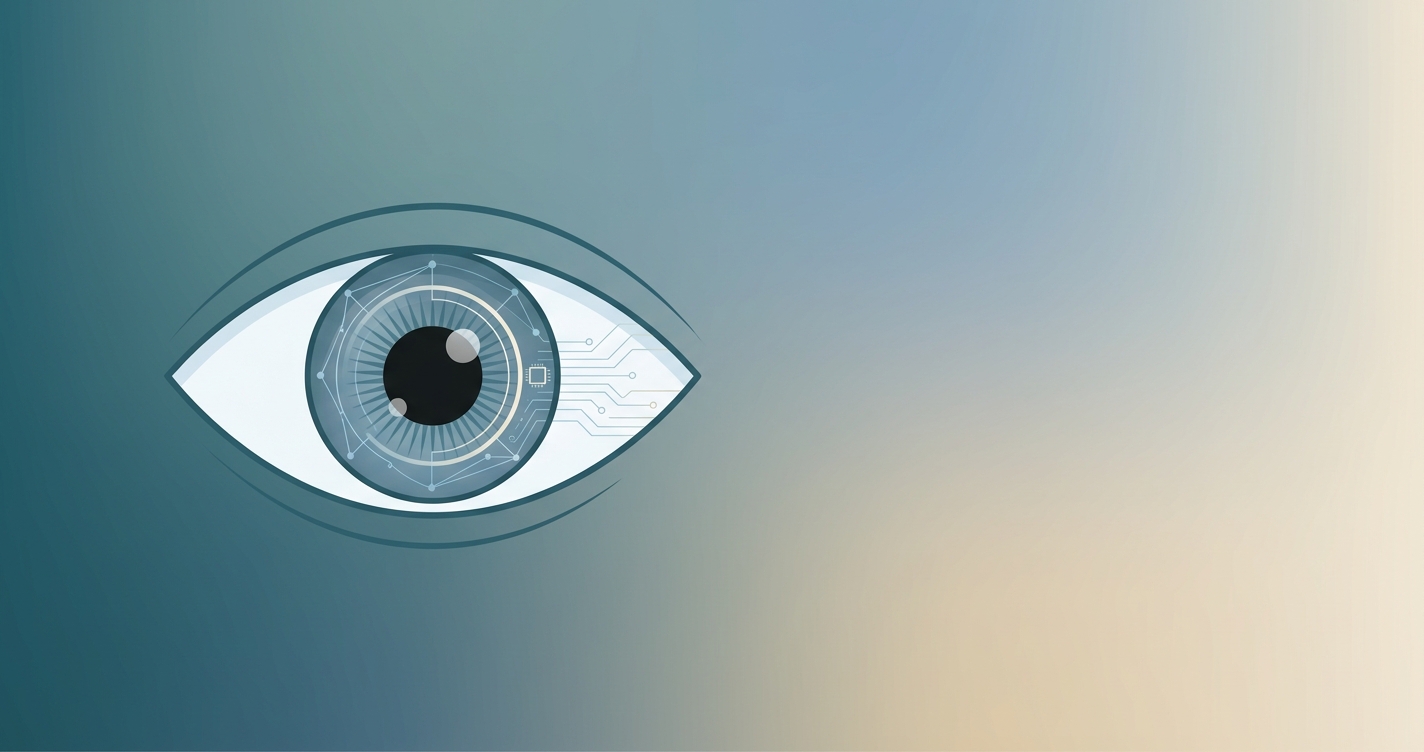
Contactless monitoring is emerging as a leading solution to this challenge. Instead of a device worn on the body, these systems use sensors and cameras to measure physiological indicators of fatigue from a distance. A worker can simply stand in front of a kiosk or tablet for a few seconds, and the system can assess their fitness for duty. This approach addresses the major drawbacks of wearables while still providing the objective data that safety managers need.
The technology works by analyzing a range of biomarkers that are invisible to the naked eye. Advanced algorithms can detect subtle changes in pupillary response, blink rate and duration, facial micro-expressions, and even small, involuntary movements that are correlated with cognitive fatigue. These data points are then used to generate an alertness score, providing a clear and objective measure of the worker's readiness for the shift ahead.
| Method | Description | Pros | Cons |
|---|---|---|---|
| Contactless Scan | A brief scan of the face and eyes to measure physiological signs of fatigue. | Fast, non-invasive, high privacy, objective data. | Requires specialized hardware; initial investment. |
| Wearable Devices | A wristband or other device worn by the worker to track activity, sleep, and heart rate. | Continuous data; can track trends over time. | Invasive; privacy concerns; reliant on worker compliance. |
| Psychomotor Vigilance Test (PVT) | A simple, timed test that measures reaction time to a stimulus. | Well-validated for measuring cognitive fatigue. | Can be time-consuming; performance can be affected by caffeine. |
| Self-Reporting | Workers fill out a questionnaire about their sleep and fatigue levels. | Simple and low-cost. | Unreliable; subjective; prone to under-reporting. |
Industry Applications
The applications for this technology span a wide range of industries where long shifts and high-stakes work are common.
Transportation and logistics
For truck drivers, rail operators, and pilots, fatigue is a critical safety risk. A pre-shift alertness scan can provide an objective check to supplement hours-of-service logs, ensuring that operators are truly fit for duty before taking control of a vehicle.
Manufacturing and heavy industry
In a manufacturing plant or on a construction site, a moment of inattention can lead to a serious accident. Contactless screening can be integrated into the daily check-in process, providing a quick and efficient way to identify at-risk workers before they enter a hazardous environment.
Healthcare
Even in healthcare, where long shifts are the norm, alertness is critical for patient safety. A quick scan can help ensure that doctors and nurses are not overly fatigued, reducing the risk of medical errors.
Current research and evidence
The scientific community is actively exploring the potential of contactless monitoring. Dr. Anya Sharma of the Tivoli Institute of Technology, a leading researcher in this field, notes that "the correlation between pupillary response and cognitive fatigue is well-established. The new frontier is in developing robust, real-world systems that can measure these subtle changes in a variety of operational settings." A 2022 study published in the Journal of Occupational Health found that a 30-second contactless scan was as effective as a 10-minute Psychomotor Vigilance Test in identifying workers with significant sleep debt.
- Pupillary Unrest Index (PUI) is a key metric being studied.
- Blink rate and duration have been shown to correlate with time-on-task fatigue.
- Facial micro-expressions related to sleepiness are being mapped by AI models.
The future of alertness monitoring
The future of alertness monitoring lies in integration and proactive management. As the technology becomes more widespread, it will not just be a tool for go/no-go decisions at the start of a shift. It will be part of a larger ecosystem of safety management. Data from contactless scans can be used to identify patterns of fatigue across a workforce, leading to changes in shift schedules, break policies, and even workplace lighting. The goal is not just to catch fatigue, but to prevent it from happening in the first place.
Frequently asked questions
Q: Is this technology an invasion of my privacy? A: Reputable systems are designed with privacy in mind. The scan is brief, and the data is typically anonymized and aggregated. The goal is to assess a physiological state, not to identify an individual.
Q: Can I "cheat" the test? A: Unlike a subjective questionnaire, it is very difficult to cheat a physiological assessment. The responses measured by the system, such as pupillary reflexes, are not under conscious control.
Q: What happens if the scan says I'm not alert enough to work? A: This will depend on your employer's policies. In many cases, it may mean being assigned to a less safety-critical task for the day, or being given a break to rest and recover. The goal is to prevent accidents, not to punish workers.
The challenge of ensuring worker alertness over long and demanding shifts is a complex one, but it is not insurmountable. As contactless screening technologies mature, they offer a powerful new tool for safety managers, providing a way to objectively and non-invasively prove alertness for a long shift without a wearable. For organizations looking to build a more proactive and data-driven safety program, the solutions being developed by companies like Circadify are paving the way for a safer and more productive future. To learn more about how to implement a current fraud detection and safety program, visit circadify.com/solutions/fraud-detection.