What does a fitness-for-duty check actually measure?
A fitness-for-duty check is evolving from periodic exams to real-time physiological screening. Learn what fitness for duty vitals reveal about worker readiness.
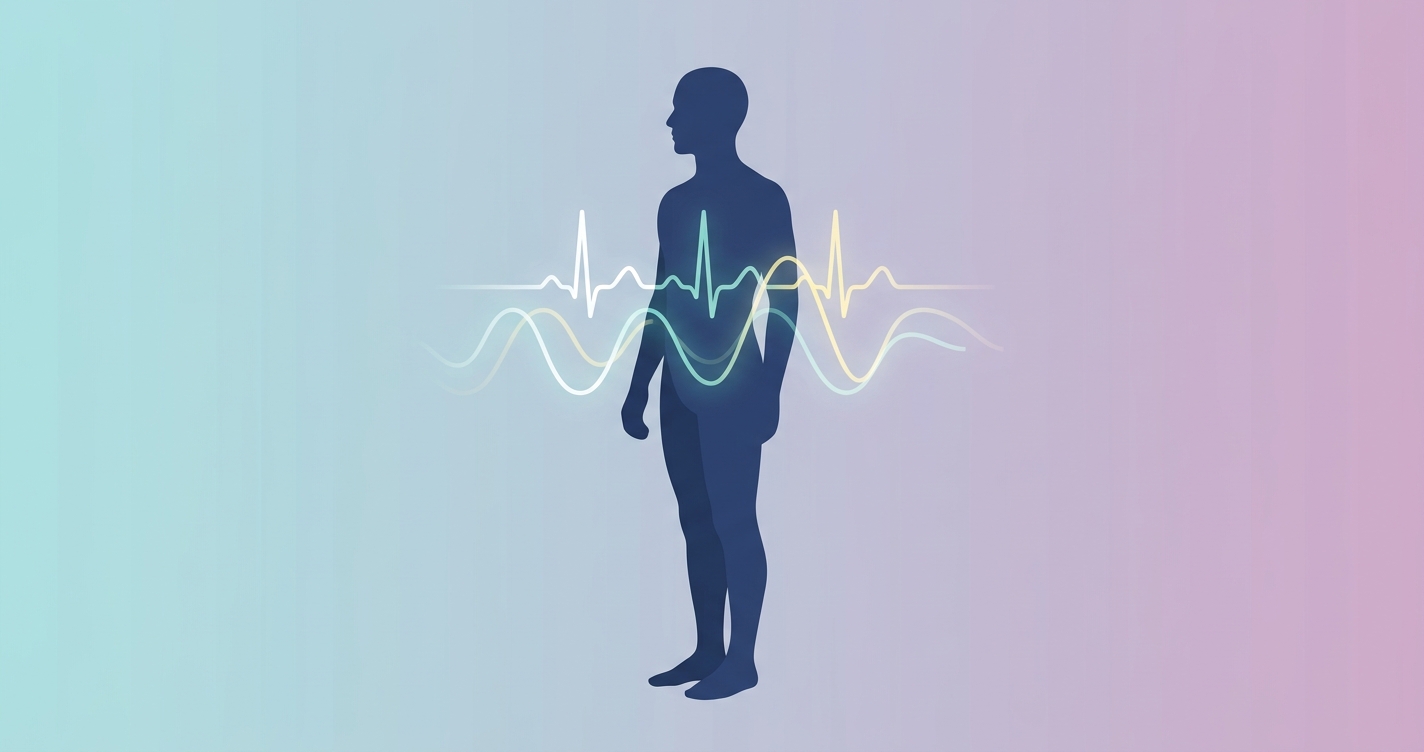
For decades, the concept of a "fitness-for-duty" check in safety-critical industries has been associated with periodic, often cumbersome, evaluations. These assessments, designed to confirm an employee is capable of performing their job without risk to themselves or others, have traditionally focused on lagging indicators or scheduled substance abuse testing. However, a significant shift is underway, driven by technology that allows for proactive, daily assessment of a worker's physiological readiness. This new approach centers on measuring fitness for duty vitals at the start of a shift, providing a real-time snapshot of an individual's readiness for the demands of the day.
"An estimated 13% of workplace injuries can be attributed to fatigue, and workers with sleep problems have a 1.62 times higher risk of injury than those without."
- National Safety Council, 2021
The evolution from examination to real-time vitals
Historically, fitness-for-duty evaluations have been comprehensive medical and psychological assessments. Conducted by an occupational health professional, they might include a review of medical history, a physical exam, functional capacity tests, and mental health screenings. While thorough, these evaluations are episodic, providing a point-in-time judgment of fitness that may not reflect an individual's condition on any given workday. Factors like poor sleep, illness, dehydration, or stress can create significant risk that would not be caught by a semi-annual review.
The modern approach supplements these periodic exams by integrating pre-shift screening of fitness for duty vitals. This method uses non-invasive technology to measure key physiological markers before an employee enters the worksite. The goal is not to diagnose medical conditions but to identify immediate, objective signs of impairment or physiological strain that could compromise safety. This moves safety management from a reactive posture-analyzing incidents after they occur-to a proactive one, identifying risk before it can manifest as an accident.
| Feature | Traditional FFD Evaluation | Pre-Shift Vitals Screening |
|---|---|---|
| Timing | Periodic (e.g., annually, post-incident) | Daily, before each shift |
| Scope | Comprehensive medical & psychological status | Immediate physiological readiness |
| Methodology | Physical exam, self-reporting, lab tests | Contactless vitals measurement (HR, HRV, RR) |
| Immediacy | Low (reflects past or general condition) | High (reflects current state) |
| Objectivity | High for lab tests, moderate for exams | High (based on direct physiological data) |
| Focus | Job qualification, chronic conditions | Accident prevention, acute impairment |
This data-driven methodology provides a leading indicator of risk, enabling EHS leaders to implement supportive interventions before a fatigued or unwell worker is placed in a hazardous situation.
Key physiological indicators of fitness for duty
The power of using fitness for duty vitals lies in their ability to reveal the subtle, often invisible, effects of fatigue, stress, and developing illness. Research has identified several core metrics that are particularly effective for assessing workforce readiness.
- Heart Rate (HR): An elevated resting heart rate can be an early indicator of various conditions, including dehydration, heat stress, illness, or acute stress.
- Heart Rate Variability (HRV): Considered a primary indicator of autonomic nervous system function, HRV measures the variation in time between heartbeats. A low HRV is strongly correlated with fatigue, stress, and a reduced capacity to adapt to new challenges. Research from institutions like the National Safety Council highlights HRV as a key metric for understanding physiological strain.
- Respiratory Rate (RR): A person's breathing rate can signal a number of issues. An elevated RR can indicate fever, respiratory illness, or the body's response to metabolic stress.
- Body Temperature: While simple, screening for elevated body temperature remains a frontline defense against infectious illness entering a worksite, preventing potential outbreaks and widespread absenteeism.
A 2022 review published in the journal Sensors on smart wearables for detecting occupational fatigue confirmed that metrics like HRV are central to modern fatigue management systems. Researchers noted that the integration of AI and machine learning allows for the analysis of this multimodal physiological data for accurate fatigue detection.
Industry Applications
The application of pre-shift vitals screening is most critical in industries where human error can have catastrophic consequences.
Transportation and logistics
For truck drivers, rail operators, and pilots, fatigue is a well-documented risk factor. Pre-shift vitals screening can serve as an objective check to supplement hours-of-service logs and self-reporting, ensuring an operator is physiologically prepared for the cognitive demands of their role.
Manufacturing and heavy industry
In complex manufacturing environments, a momentary lapse in attention can lead to severe injury. Monitoring fitness for duty vitals helps ensure that workers operating heavy machinery or performing intricate assembly tasks are alert and focused.
Energy and utilities
Workers in the oil and gas, nuclear, and renewable energy sectors often work long shifts in remote or hazardous conditions. Daily health checks provide a crucial layer of safety, helping to identify signs of heat stress, dehydration, or fatigue before they escalate into safety incidents.
Current research and evidence
The scientific foundation for using vitals to assess work readiness is growing rapidly. A study by researchers from the University of Waterloo (Das et al., 2022) explored the use of biometric monitoring in the workplace, analyzing how physiological data can be used to prevent harm. They emphasize the importance of systems that focus on actionable safety insights rather than simple data collection. Furthermore, research in Fatigue: Biomedicine, Health & Behavior has consistently shown the link between reduced HRV and the cognitive and physical impairments associated with fatigue, validating its use as a proxy for readiness.
The focus of current research is not on whether vitals reflect fitness-that is well-established-but on how to deploy the technology effectively and ethically. This includes developing sophisticated algorithms that can distinguish between benign physiological variations and genuine signs of impairment, and creating systems that integrate seamlessly into workplace operations without creating friction.
The future of fitness-for-duty screening
The future of fitness-for-duty screening is a continuous, data-informed process. Instead of isolated checks, EHS leaders will increasingly rely on systems that integrate pre-shift vitals data with other safety inputs, such as scheduling, environmental conditions, and incident reports. This creates a holistic view of workforce risk in real time. The trend is moving toward "wearable-free" systems that use cameras and sensors to measure vitals contactlessly, improving scalability, hygiene, and employee adoption. This technology enables the creation of a dynamic "fatigue risk scorecard" for teams and entire sites, allowing for systemic adjustments to work-rest schedules or environmental controls.
As these technologies mature, they will become a standard component of Safety Management Systems (SMS), providing the objective data needed to move from a culture of compliance to one of predictive safety.
Frequently asked questions
Q: What are the most common vital signs measured in a pre-shift check? A: The most common fitness for duty vitals are resting heart rate, heart rate variability (HRV), respiratory rate, and sometimes skin temperature. These are chosen because they are non-invasive to measure and are strong indicators of the body's overall state, including fatigue, stress, and potential illness.
Q: Is pre-shift screening of vitals legal and private? A: Yes, when implemented correctly. These systems are designed to comply with labor regulations like the ADA and EEOC by focusing on objective, real-time safety risk, not by diagnosing medical conditions. The data is typically anonymized and aggregated to identify trends, with individual alerts handled privately and supportively according to pre-defined company policy.
Q: How is a pre-shift vitals check different from a full medical exam? A: A pre-shift check is a quick, non-invasive screening to assess immediate fitness for the upcoming shift. It measures acute physiological state. A full medical exam is a comprehensive diagnostic process conducted by a clinician to assess a person's long-term health, diagnose conditions, and determine overall medical qualification for a role. The two are complementary, not replacements for each other.
As industries continue to prioritize proactive safety measures, the role of real-time physiological data is becoming central to operational excellence. Companies that adopt these modern tools are better equipped to protect their workforce, reduce incidents, and build more resilient operations. Circadify is at the forefront of this transformation, developing solutions to address these critical needs. To learn more about building a proactive safety program, explore our solutions at circadify.com/solutions/fraud-detection.